Chapultepec and Paseo de la Reforma (15 places)
The route along this axis is, without a doubt, the most elegant and emblematic in the city. Conceived as a nexus between the ancient refuge of the tlatoanis and the epicenter of urban development, this vast expanse displays the capital's natural and architectural diversity like no other. Through its imposing museums, lakes, roundabouts, and monuments, the visitor follows a guiding thread connecting ancestral roots with contemporary sophistication. Exploring this corridor is to enter an oasis where art, nature, history, and modernity converse to reveal the dynamism of Mexico City.
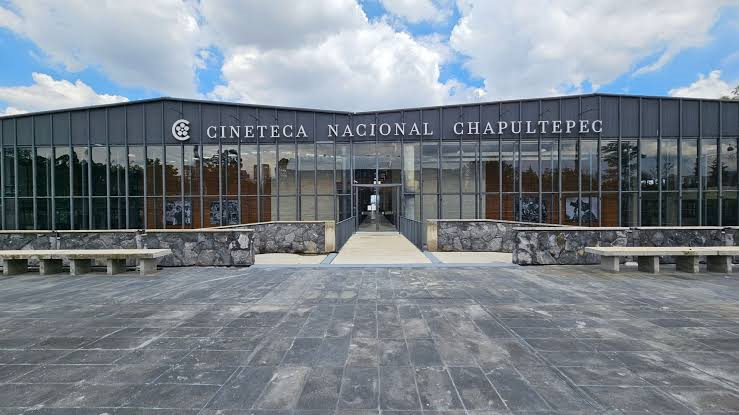
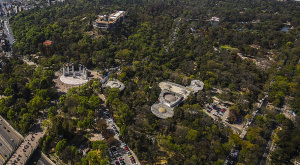
22. Bosque de Chapultepec The Bosque de Chapultepec is the great green lung and the largest urban park in the Americas, divided into four sections, now interconnected by the modern and panoramic Line 3 of the Cablebús. In the First Section, the Los Pinos Cultural Complex, the Community Culture Pavilion, and the family fun of Aztlán Urban Park stand out. The Second Section offers a breather along its beautifully rehabilitated trails and houses the innovative Museum of Environmental Culture. The Third Section has been transformed into an epicenter of outdoor recreation with the Urban Culture Park. Meanwhile, the Fourth Section dazzles with world-class infrastructure, including venues like the ex-Fábrica de Pólvora, the National Art Warehouse, and the Cineteca Nacional Chapultepec. Walking through Chapultepec means immersing yourself in a unique fusion of nature and culture.
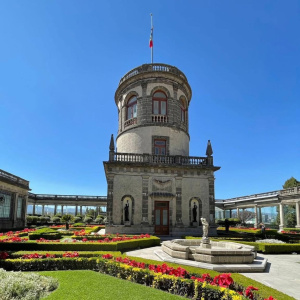
23. Castillo de Chapultepec Erected on the historic Grasshopper Hill at the end of the 18th century, it is the only royal castle on the continent. The venue has been a direct witness to the country's evolution: from a viceregal palace, which was the imperial residence of Maximilian of Habsburg, to a heroic Military College during the defense against the US intervention in 1847. It stands out for its beautiful elevated gardens, European stained glass, and halls that preserve the architecture of the era. Visiting its terraces offers one of the most spectacular panoramic views of the city.
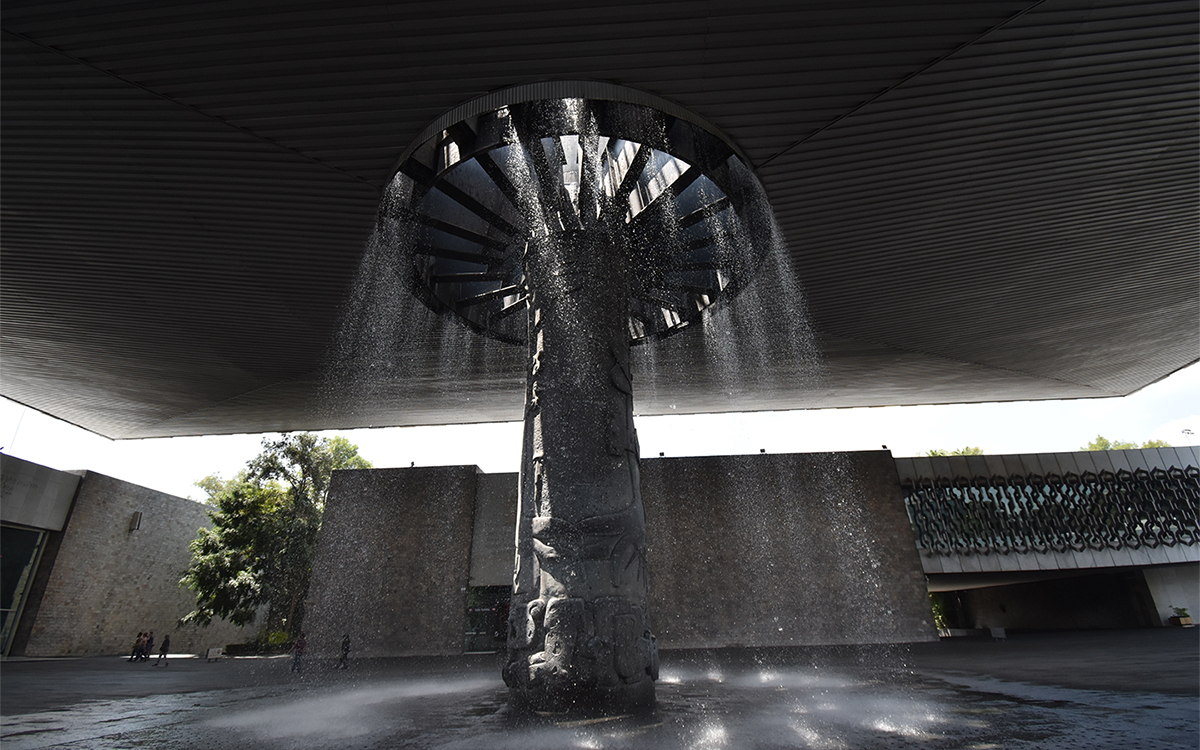
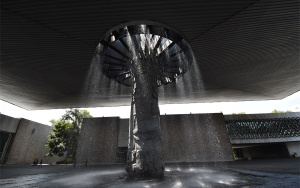
24. Museo Nacional de Antropología Inaugurated in 1964 by architect Pedro Ramírez Vázquez, the National Museum of Anthropology is the crown jewel of Mexico's culture. Designed to safeguard and exhibit the soul of Mesoamerican civilizations, the venue is famous for its monumental central courtyard crowned by "El Paraguas," a majestic inverted fountain. Its halls preserve invaluable treasures of humanity, such as the imposing Sun Stone, the sculpture of Coatlicue, and a replica of Pakal's tomb. It is an essential journey to understand our roots.
25. Museo de Arte Moderno Inaugurated in 1964 as part of the modernization of the Bosque de Chapultepec, the Museum of Modern Art is a masterpiece by architects Pedro Ramírez Vázquez and Íñigo Bullard. Its circular and organic design broke with traditional rigidity, symbolizing the dynamism of the mid-20th century. The venue is globally recognized for safeguarding one of the most valuable collections of national art, highlighting the iconic painting "The Two Fridas." It also features a splendid Sculptural Garden, a refuge where visual arts and nature coexist.
26. Museo Rufino Tamayo Inaugurated in 1981, the Tamayo Museum is a landmark of brutalist architecture, designed by Teodoro González de León and Abraham Zabludovsky. It was born thanks to the vision of Oaxacan painter Rufino Tamayo, who wished to connect the country with the international avant-garde. The imposing chiseled concrete structure integrates masterfully into the topography of the forest. In its halls bathed in natural light, an extraordinary collection is exhibited, including masterpieces by Picasso, Miró, and Bacon, solidifying it as the undisputed benchmark for contemporary art.
27. Zoológico de Chapultepec Inaugurated in 1923 by biologist Alfonso L. Herrera, the Chapultepec Zoo was inspired by Moctezuma II's ancient aviaries. Over a century, it has consolidated itself as a fundamental pillar for conservation, achieving international milestones such as the successful breeding of the Mexican wolf and the birth of pandas outside of China. Its modern trails, recreating various biomes, allow visitors to discover native and exotic species in a familiar, recreational, and educational environment.
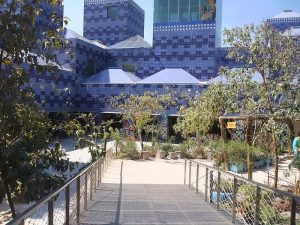
28. Papalote Museo del Niño Located in the Second Section of the Bosque de Chapultepec, the Papalote Museo del Niño revolutionized interactive education under the famous motto "I touch, I play, and I learn." Designed in 1993 by architect Ricardo Legorreta, the building stands out for its vibrant structure of blue tiles and geometric shapes. This innovative space features immersive exhibits that bring science, technology, and art closer to new generations. Its imposing Digital Dome and IMAX Mega Screen stand out, offering unforgettable experiences for families.
29. Cineteca Nacional Chapultepec Located in the new and vibrant Fourth Section of the forest, the Cineteca Nacional Chapultepec is an avant-garde complex that revolutionizes audiovisual consumption. The venue features multiple state-of-the-art projection rooms and a splendid open-air forum for enjoying the seventh art. The space harmoniously shares territory with the National Art Warehouse, a top-tier architectural complex intended for the restoration, study, and safeguarding of the country's invaluable visual arts heritage. It is an experience where cinema dwells in the middle of the forest.
30. Paseo de la Reforma Paseo de la Reforma is the most elegant, monumental, and heavily trafficked avenue in the country. Originally traced in 1864 to connect Chapultepec Castle with the National Palace, it was inspired by the great European boulevards. Today, this vibrant artery is flanked by skyscrapers, historic roundabouts, and wide tree-lined areas. It is the financial, social, and cultural epicenter, the stage for parades, marathons, and civic demonstrations. Traveling along it, whether on foot or by bicycle, means feeling the vibrant pulse of the capital's environment.
31. Monumento a la Independencia (El Ángel) The Monument to Independence, popularly known as El Ángel, is the symbol of freedom in Mexico. Inaugurated in 1910 to celebrate the centennial of the start of the insurgency, this elegant neoclassical column also functions as a mausoleum for the main founding fathers. The structure is crowned by an imposing bronze sculpture coated in 24-karat gold, representing the "Winged Victory." It is the quintessential meeting point for major social, sporting, and cultural celebrations.
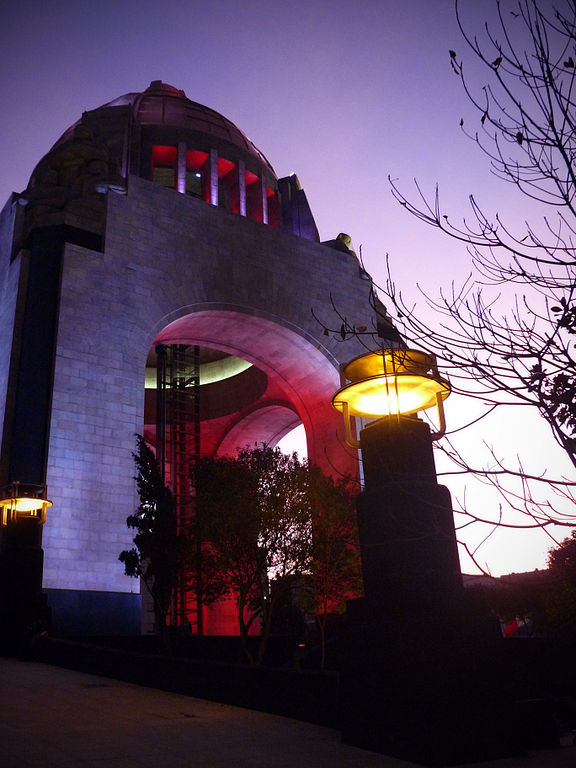
32. Monumento a la Revolución The Monument to the Revolution is an imposing art deco colossus that dominates the urban layout. Originally projected as the great dome of the Legislative Palace during the Porfiriato, its steel structure was left unfinished due to the armed outbreak of 1910, being rescued decades later by architect Carlos Obregón Santacilia. Today it functions as the mausoleum for key figures of the Mexican Revolution. The venue houses a fascinating underground museum and a glass elevator leading to a spectacular panoramic observation deck.
33. Museo Nacional de Historia Housed within the imposing halls of Chapultepec Castle, the National Museum of History is the guardian of the nation's memory. Inaugurated in 1944, its spacious galleries offer a comprehensive journey spanning from the Conquest and the Viceroyalty to the Mexican Revolution. Visitors can admire an invaluable collection of clothing, period furniture, royal carriages, and historic banners. Its walls are adorned with extraordinary murals by David Alfaro Siqueiros and Juan O'Gorman. It is a mandatory visit to understand the profound political and social identity.
34. Audiorama de Chapultepec The Audiorama is the best-kept secret of the First Section of the Bosque de Chapultepec, designed as a refuge dedicated to contemplation and reading. Inaugurated in 1972, it is located in the historic pre-Hispanic zone of Cincalco, considered by the Mexicas to be a mystical entrance to the underworld. Surrounded by lush trees, literary statues, and rock formations, this intimate open-air amphitheater daily offers a musical curation that includes jazz, classical music, and ambient sounds. It is a true sonic oasis, ideal for finding stillness.
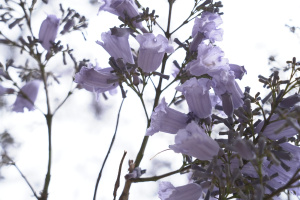
35. Jardín Botánico del Bosque de Chapultepec The Botanical Garden of Chapultepec is a natural sanctuary that rescues the millennial tradition of plant preservation initiated by the Mexica rulers. Reopened in 2006, this oasis of over five hectares houses an impressive sample of the country's great biodiversity. Noteworthy are its trails surrounded by agaves, succulents, medicinal plants, and a dazzling contemporary greenhouse designed for the cultivation of orchids and other plant species, such as various types of dahlias, considered the national flower. Strolling through this garden is a unique sensory experience.
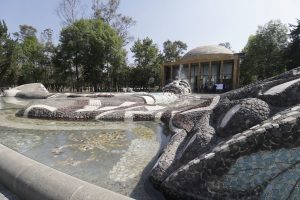
36. Cárcamo de Dolores (Museo del Agua) The Cárcamo de Dolores is a fascinating masterpiece that fuses hydraulic engineering, architecture, and monumental art in the Second Section of the Bosque de Chapultepec. Inaugurated in 1951 to celebrate the completion of the Lerma system, the venue safeguards the astonishing underwater mural "Water, the Origin of Life," created by Diego Rivera. Outside, the imposing sculpture of Tláloc welcomes visitors. The space includes the Lambdoma Chamber, an installation that translates water flow into acoustic sounds, creating an amazing experience.


 Plaza de la República s/n, Col. Tabacalera.
  Public Art/Monuments
 Chapultepec y Paseo de la Reforma (15 lugares)