Exploring Mexico City today is a seamless and modern experience thanks to the radical transformation of its infrastructure. The capital has managed to unify an enormous transportation system under a single visual and technological identity. After 55 years of history, the transition towards total digitalization in 2024 marked the beginning of an era where efficiency and interconnectivity are the priorities.
This smart plastic card is the master key for traveling around the city. The MI Card groups all transportation systems, eliminating the need for physical tickets and allowing quick access through contactless technology or digital wallets across much of the network.
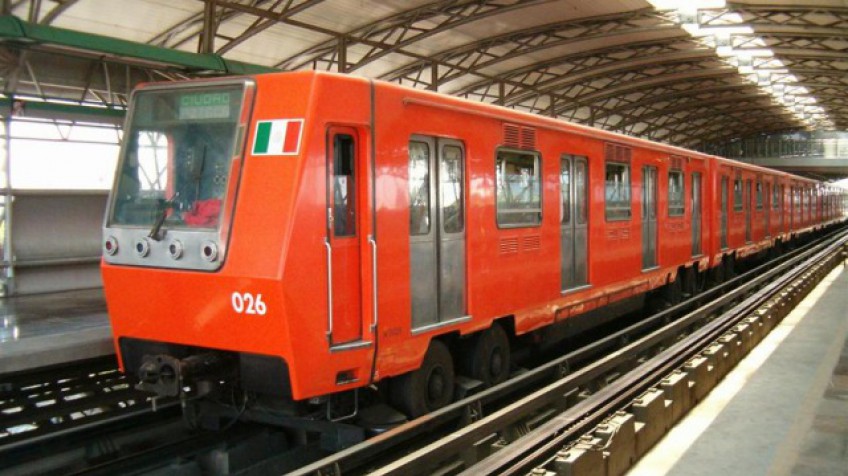
Diving into the Collective Transport System means using the most extensive metropolitan railway network in Latin America. With its 12 lines and nearly 200 stations, this underground arterial system is the fastest way to cross the city.
Traveling along the main avenues at street level is possible thanks to this Bus Rapid Transit (BRT) system. Its seven lines, which include electric units and double-decker buses on Paseo de la Reforma, offer privileged visibility of the urban landscape and its monuments.
Discovering emblematic neighborhoods on two wheels is one of the most enriching tourist experiences. With a renewed fleet of state-of-the-art black bicycles and a constantly expanding network of bike lanes—such as the Tlalpan bike lane—the system invites you to explore the city at your own pace and in a sustainable manner.
It is the largest urban cable car system in the world. Its three lines offer unparalleled panoramic views of the volcanoes and urban art, connecting the highlands with the main transportation hubs in safe and scenic trips.
Connecting with the ancient canals of the south is simple through this eco-friendly rail transport. Its route allows you to observe the transition of the city towards Xochimilco and drops fans off at the doorstep of the stadium area, now operating with renovated tracks and the new fleet of articulated “Ajolote” trains.
Enjoying a quiet ride equipped with cutting-edge technology is the hallmark of this mobility pillar. Its fleets of blue and electric buses cross the four cardinal points, standing out for their autonomous batteries and the special late-night service on strategic downtown corridors.
Reaching the corners where mass transit systems have no reach is the mission of these green buses. With over 100 routes and the special “Nochebús” service operating in the early morning hours, the RTP guarantees total connectivity even in the wooded areas and neighborhoods furthest from the center.
Reaching every corner of the metropolis or the State of Mexico is guaranteed by an extensive network of additional services. This offering includes the modern Concessioned Corridors (purple buses) that professionalize transport on main roads, the high-tech “El Insurgente” train connecting to Toluca, and metropolitan systems such as the Suburban Train and Mexibús.
Additionally, it integrates options for official taxi stands and mobility apps that operate with full legality, providing safe alternatives for any time of the day.
Government technology has bolstered trust in private transportation. Digital platforms are especially useful tools, but the city has gone a step further with the App CDMX.
Through the “Mi Taxi” module, you can verify the identity of the driver of an official street taxi (white with pink), share your trip in real-time, and access a panic button linked to the police. This digital integration reduces risks and raises the standard of protection for the international visitor.
Arrival in the metropolis features well-defined logistical routes for your comfort. Metrobús Line 4 offers a direct express service from Terminals 1 and 2 to the heart of the Historic Center.
If you prefer a private transfer, the strict recommendation is to hire authorized taxi services directly at the official booths located inside the terminals; always avoid accepting rides from outside individuals in the arrival halls for safety reasons.
Mobility apps like Uber, DiDi, or Cabify operate entirely legally, although due to federal regulations, the meeting point is usually set in specific areas just outside the exit doors of both terminals.
Driving in the capital requires quick adaptation to local customs and strict compliance with current regulations. While most foreign driver’s licenses are valid, it is imperative to be aware that traffic can significantly alter your travel times.
Furthermore, you must consult the “Hoy No Circula” environmental program, as there are restrictions preventing the use of vehicles—including rental cars—on specific days of the week based on the license plate ending or hologram.
Prioritizing the use of modernized public transportation will allow you to enjoy Mexico City without complications, especially during the vibrant season of international events leading up to 2026.