Markets and Gastronomy (9 places)
The capital's culinary and commercial wealth is the living reflection of a cultural blending that has been cooking for centuries. This tour offers a direct immersion into the aromas, colors, and textures that define the identity of the metropolis. From the monumental scale of the continent's main supply center to the nostalgic elegance of centennial cafes and the revelry of its musical plazas, these venues are not just consumption sites but true guardians of intangible heritage. Exploring these markets, taverns, and restaurants means savoring history, understanding the dynamics of their neighborhoods, and celebrating the inexhaustible creativity of Mexican cuisine.
79. Mercado de la Ciudadela The Mercado de la Ciudadela is the bastion of artisanal identity in the capital. Established in 1965 to welcome tourism for the World Cup and the 1968 Olympic Games, it is located opposite the historic fortification of the same name. The space was born with the mission of gathering the mastery of indigenous peoples from all over the country, becoming the first market specializing in popular art. Its aisles display a curation of Puebla talavera, Yucatecan hammocks, Huichol art, and Oaxacan alebrijes. It is an unmissable chromatic journey that celebrates cultural diversity and national talent.
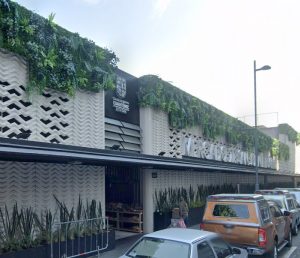
80. Central de Abasto Inaugurated in 1982, the Central de Abasto (CEDA) could well be a city in itself; it is the largest wholesale supply center in the world and the food colossus that sustains the metropolis. Wandering its endless naves, built on an area exceeding three hundred hectares in Iztapalapa, is to delve into a vibrant universe of colors, sounds, and the largest mosaic of ingredients on the continent. It is the primal origin of the entire gastronomic offer and an unparalleled ethnographic experience to understand the titanic task of feeding Mexico City.
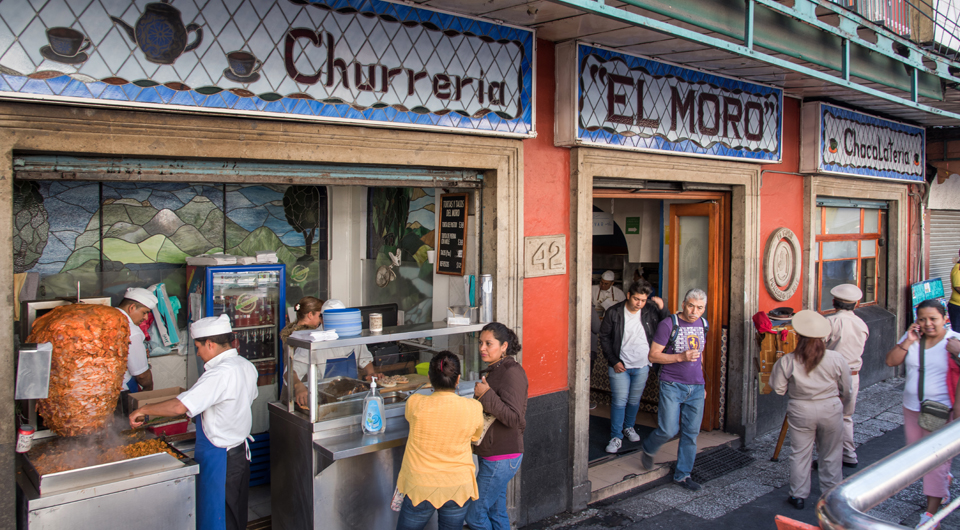
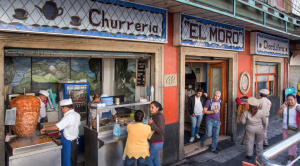
81. Churrería El Moro Churrería El Moro is a gastronomic institution founded in 1935 by Francisco Iriarte, a Spanish immigrant who started the business with a cart in the Zócalo. The name pays tribute to the nickname of a seller from his hometown. Located from its beginnings on the emblematic Eje Central, this place has witnessed the urban transformation of the capital, consolidating itself as a meeting point for intellectuals, artists, and families. It stands out for its aesthetic of blue and white tiles and its traditional hot chocolate served in the Spanish, French, or Mexican style.
82. Pulquerías Tradicionales Traditional pulquerías are sanctuaries of popular culture that reached their peak at the end of the 19th century. Historic venues such as "Las Duelistas" or "La Risa" preserve the essence of these spaces where pulque is consumed, the mythical beverage obtained from fermented agave. Historically, these sites were socialization centers decorated with colored sawdust and folkloric murals narrating the identity of the neighborhoods. The experience includes tasting the exquisite curados made with natural fruits and the traditional stews that accompany the drink. These taverns represent a vital act of cultural resistance.
83. Mercado de San Juan Pugibet The Mercado de San Juan Pugibet, with over 150 years of tradition, is the most specialized gastronomic temple in the capital. It evolved from an old colonial tianguis to become the preferred supplier for international chefs and foodies. Its history is linked to the transformation of the San Juan neighborhood, maintaining an air of rustic elegance. It is world-renowned for its offering of exotic products, ranging from lion, ostrich, and crocodile meats, edible flowers, to exotic pre-Hispanic insects and fine European cheeses. This market is an indispensable benchmark for the high pantry.
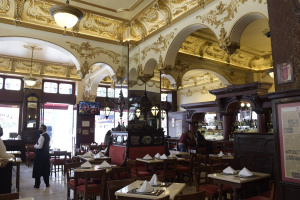
84. La Opera Founded in 1872, Bar Opera is one of the most legendary establishments in the Historic Center, standing out for its opulent French-style decor with carved wooden ceilings and sumptuous velvet furniture. The venue is historically famous for safeguarding a bullet hole in its ceiling, which, according to popular tradition, was fired by the caudillo Francisco Villa during his triumphant entry into the capital in 1914. Its gastronomic proposal specializes in classic international and Mexican cuisine, with the famous chipotle snails being its most emblematic dish.
85. Museo del Chocolate Inaugurated in 2012 in an elegant Porfirian-style mansion from 1909, the Chocolate Museum is the city's first museum dedicated exclusively to this millennial treasure. The venue rescues Mexico's significance as the undeniable cradle of cacao, linking pre-Hispanic traditions with modern culinary sophistication. Through exhibits of ancient utensils and interactive workshops, the museum offers a profound sensory experience. It is highly famous for its "Chocolate Room," a room lined with thousands of real chocolate bars whose intoxicating aroma envelops visitors.
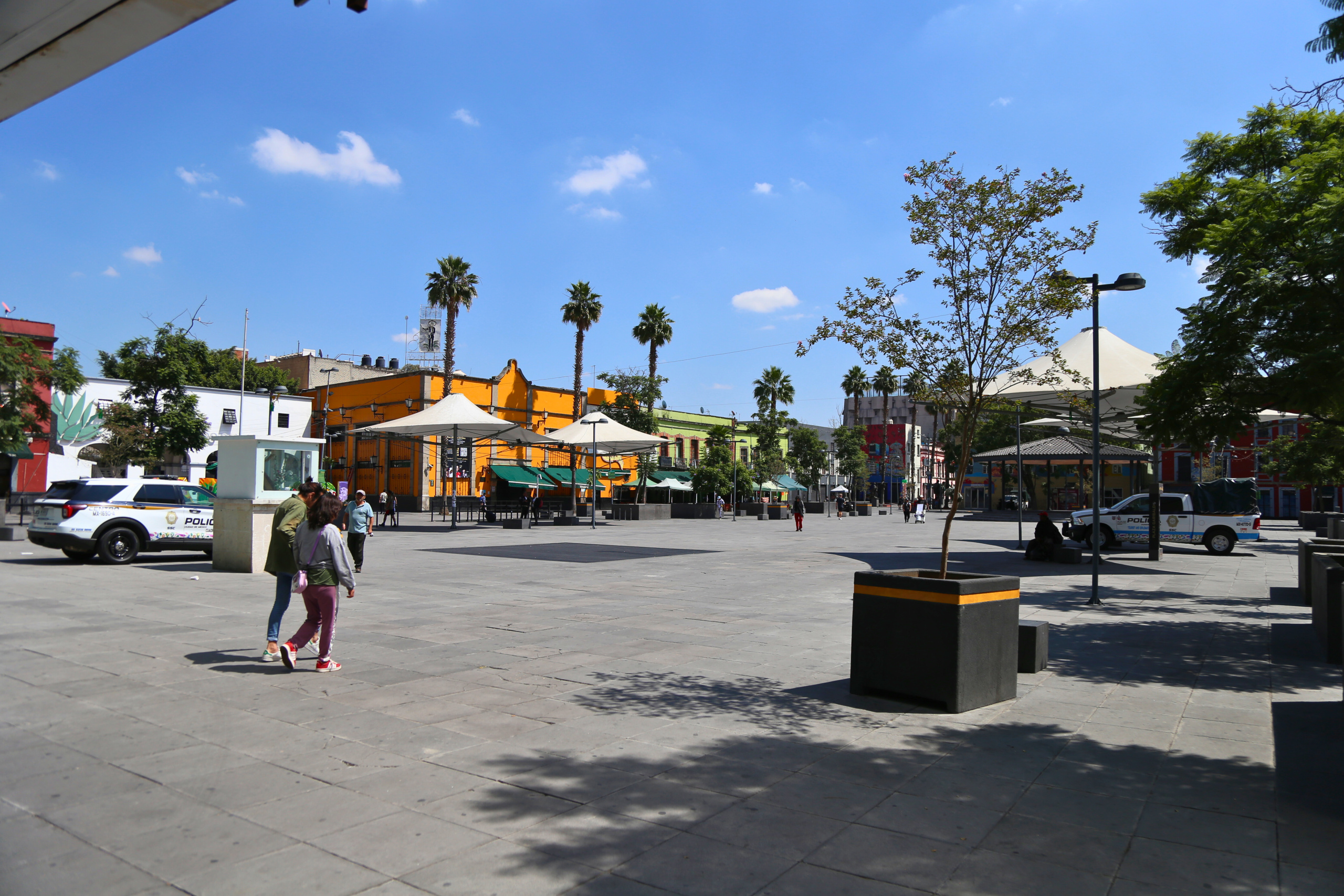
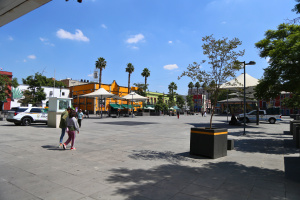
86. Plaza Garibaldi Formally inaugurated in 1921 under its current configuration, Plaza Garibaldi is the sonic heart of the country. Originally known as Plaza del Baratillo, its name honors Giuseppe Garibaldi II, a combatant of the Mexican Revolution. It is the absolute home of the Mariachi, a genre declared Intangible Cultural Heritage of Humanity, and has been the stage of life for icons like José Alfredo Jiménez. The site houses the Tequila and Mezcal Museum, as well as the historic Salón Tenampa, a restaurant founded in 1925 that introduced Jalisco gastronomy. Visiting the plaza allows you to immerse yourself in an eternal and folkloric party.
87. Café de Tacuba Founded in 1912 inside a majestic 17th-century mansion, Café de Tacuba is one of the most emblematic restaurants in the Historic Center. More than a gastronomic establishment, it functions as a hospitable museum where the walls are adorned with colonial oil paintings and fine talavera mosaics. Over a century, it has been an unavoidable meeting point for historical figures, from intellectuals to presidents of the republic. Its kitchen meticulously preserves the traditional recipes of Mexican gastronomy, highlighting its unsurpassed moles and classic pastries.


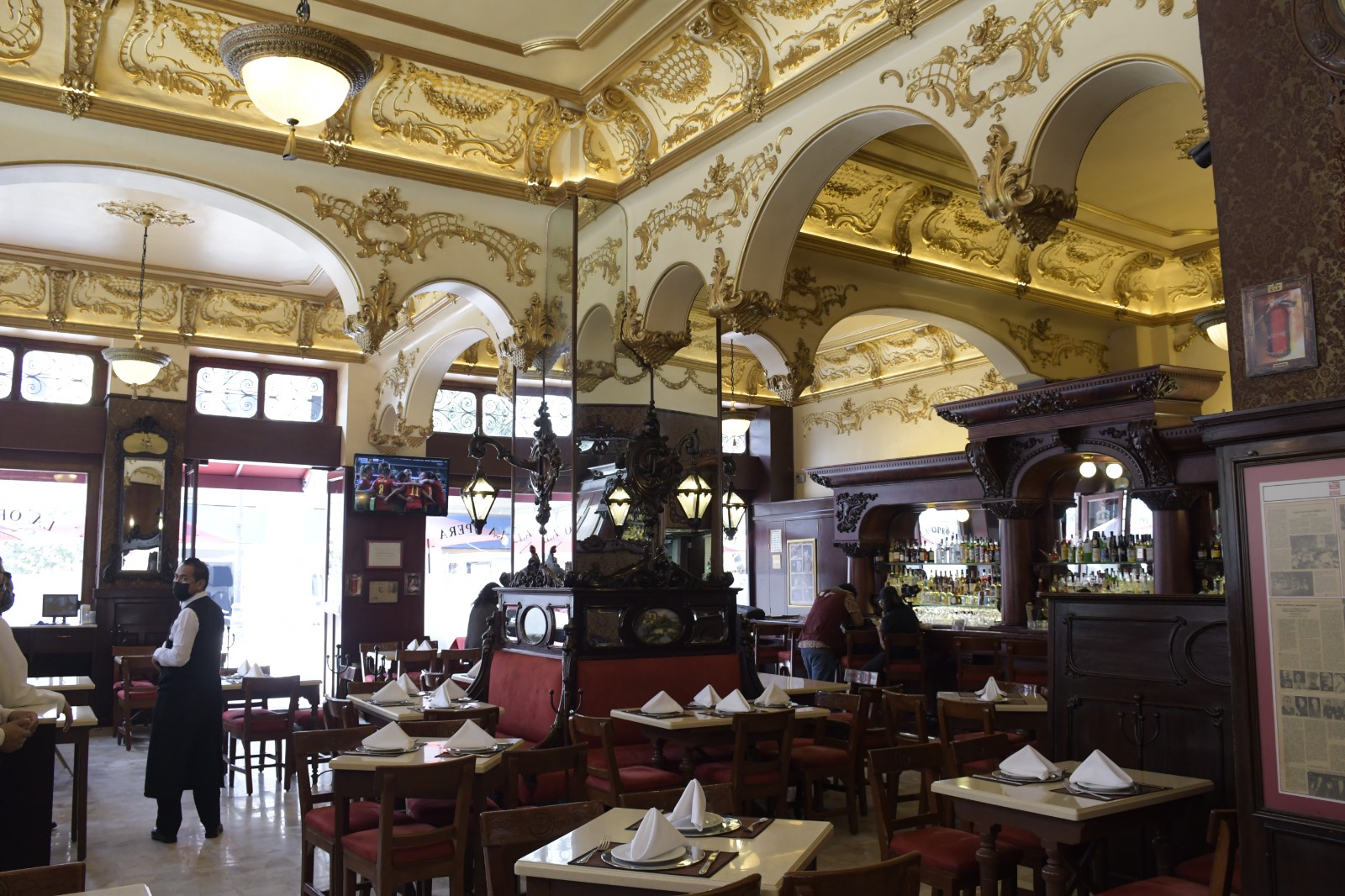
 Av. 5 de Mayo 10, Centro Histórico de la Cdad. de México, de la, Cuauhtémoc, 06000 Ciudad de México.
  Mercados y Gastronomía (9 lugares)
 Crafts