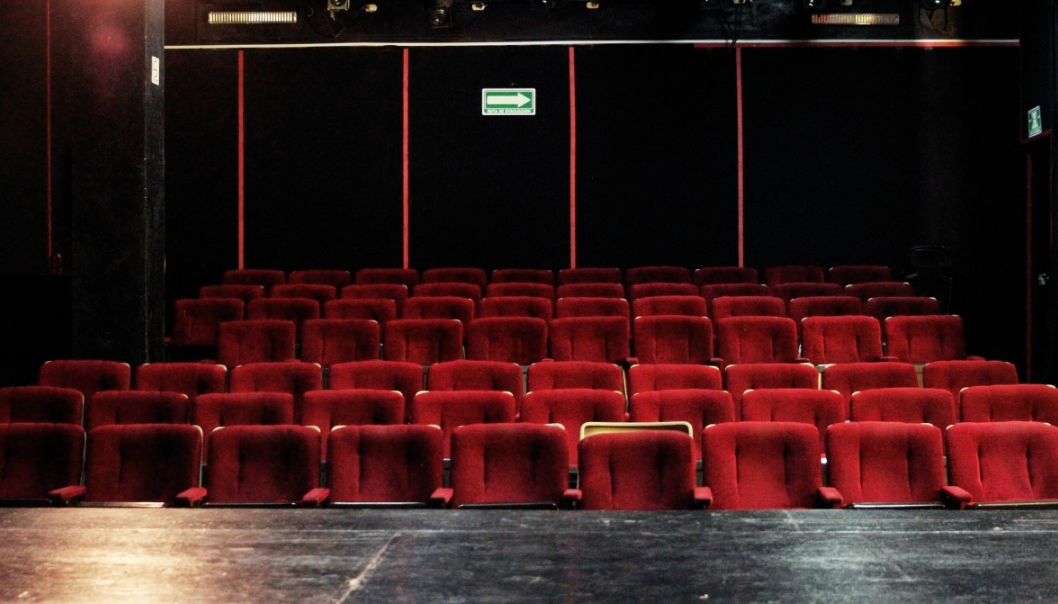

Mexico City holds the title of being one of the most important theatrical capitals globally. The cultural dynamism of the metropolis sustains an inexhaustible array of theatrical offerings that spans all genres, formats, and budgets. The city houses everything from majestic centennial venues to avant-garde independent forums and public squares taken over by street theater. The theater seat invites the traveler to experience stories narrated by top-tier local and international talents, reflecting the complexity and vitality of contemporary society.
The dramatic history of the capital possesses deep roots that connect the viceregal comedy courtyards and the itinerant tents of the early 20th century with current artistic expressions. The city breathes theater through a multiplicity of styles encompassing farce, cabaret, documentary theater, realism, and immersive narratives. The theatrical ecosystem also dazzles with physical proposals that integrate the acrobatics of circus arts and the sharpness of clowning. The circuit features the masterful pens of playwrights, visionary directors, and internationally awarded actors. Talent is rigorously forged in highly prestigious classrooms such as the University Theater Center (CUT) of the UNAM or the National School of Theatrical Art (ENAT) of the INBAL.
The Palacio de Bellas Artes crowns the theatrical offer as the highest cultural venue in the country and the undisputed jewel of the capital. The lavish stage, guarded by the iconic glass curtain, hosts the stellar productions of the National Theater Company and the National Opera Company. The National Institute of Fine Arts and Literature (INBAL) extends this monumental dramatic force towards the Centro Cultural del Bosque. The Teatro Julio Castillo and El Galeón spearhead these forums dedicated to acting excellence, located behind the Auditorio Nacional. The Centro Cultural Helénico shines on Avenida Revolución as a pillar of the capital's dramaturgy.
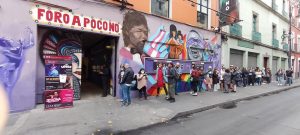
The Teatros Ciudad de México network safeguards invaluable spaces for the national theatrical heritage. The Teatro de la Ciudad Esperanza Iris reigns in the Historic Center as the most dazzling and representative forum in Mexico City. The programming extends to other historical venues such as the Teatro Benito Juárez and the endearing Foro A Poco No, offering multidisciplinary stagings at affordable prices to guarantee the right to culture. The National Institute of Anthropology and History (INAH) adds to this legacy auditoriums and spaces that intertwine historical dissemination with the performing arts.
The National Autonomous University of Mexico (UNAM) deploys an audacious curation in the south of the capital through the University Cultural Center. The university halls host proposals that challenge the conventional limits of aesthetics and script. The Mexican Social Security Institute (IMSS) contributes a vast infrastructure. The institution administers the largest network of indoor and outdoor theaters in the country.
Commercial super-productions dominate the main avenues with shows that rival the world's entertainment capitals. The Teatro de los Insurgentes stands out as the ultimate symbol of the stellar format, majestically crowned on its facade by an impressive mural by painter Diego Rivera. The large-capacity venues present lavish Broadway-style musicals, highly successful box-office comedies, and adaptations of successful international plays. The private circuit also features the Centro Teatral Manolo Fábregas, an essential and historic complex located in the San Rafael neighborhood.
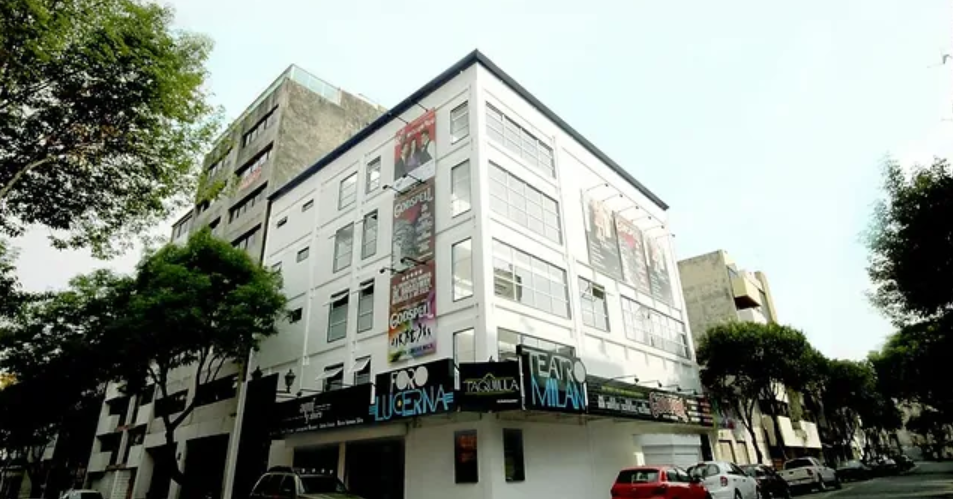
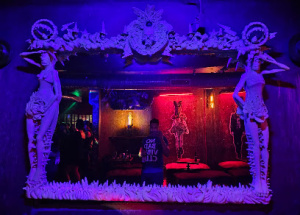
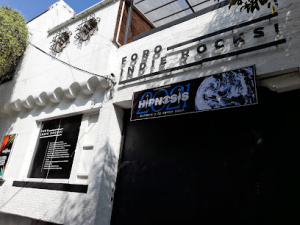
True innovation takes the stage in the alternative forums of the city. Independent theaters, scattered across neighborhoods like Roma, Condesa, and Coyoacán, keep the flame of creative freedom alive. The decentralized circuit guarantees uncensored plays, introspective monologues, and stagings where the fourth wall completely disappears. The Foro Shakespeare, Teatro Bar El Vicio, Teatro La Capilla, Foro Lucerna, or La Teatrería are some benchmarks to understand the capital's underground scene. The billboard also integrates the successful micro-theater format, demanding total immersion from the spectator in short plays presented just a few centimeters from the thespians. Thus, the curtain of Mexico City rises every day with a magnetic and unstoppable force, inviting the traveler to take a seat before the third call... let us begin.