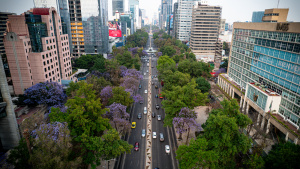
Visiting Mexico City requires strategic itinerary planning. Dividing the itinerary by geographic areas optimizes travel times and allows you to better enjoy each destination. Each sector concentrates a distinct profile of attractions, ranging from historic centers and cultural venues to ecological reserves. Organizing the trip with this vision in mind makes it easier to walk between points of interest and fully leverage the public transportation network.

This sector of the capital combines religious tourism, extensive green areas, and new panoramic mobility options. The undisputed landmark is the Basilica of Guadalupe, the most visited Catholic sanctuary in the Americas. Walking towards this venue along the Calzada de los Misterios allows you to admire fifteen stone monuments from the colonial era. Nearby stands out the Bosque de Aragón, a park equipped with a lake, a free zoo, and the modern recreational infrastructure of the Utopía San Juan de Aragón. Those seeking the best panoramic photographs should hop on Cablebús Line 1 at the Indios Verdes station. The cable car system offers spectacular aerial views of the urban fabric and the Sierra de Guadalupe. Travelers interested in science can visit the Luis Enrique Erro Planetarium, famous for its immersive astronomical projections. World-class entertainment shines at the Arena Ciudad de México, the country’s most modern indoor venue, located just steps from Tezozómoc Park, whose landscape design pays tribute to the ancient Lake Texcoco.

The Historic Center concentrates the nation’s most relevant heritage around the Plaza de la Constitución (Zócalo), connecting vestiges of the Templo Mayor with the Metropolitan Cathedral and the National Palace. Strolling along Madero, Tacuba, or Donceles streets allows you to discover historic buildings, museums, and the Palace of Fine Arts next to the Alameda Central. Tlatelolco features the Plaza de las Tres Culturas (Square of the Three Cultures), while Paseo de la Reforma serves as the modern axis flanked by monuments and skyscrapers. Bosque de Chapultepec stands out as the largest urban park in the Americas, housing world-class cultural venues and ample green areas distributed across its four sections. The Roma and Condesa neighborhoods define the cosmopolitan spirit of the central sector through their Art Deco architecture, art galleries, and an endless gastronomic offer. Polanco and Lomas de Chapultepec concentrate luxury shopping and avant-garde museums such as the Soumaya and the Jumex. The Benito Juárez borough offers a dynamic residential environment with tree-lined squares, and venues like the Cineteca Nacional and the Estadio Ciudad de los Deportes. San Ángel, Mixcoac, and Tacubaya preserve the charm of ancient original villages, combining colonial small squares with a traditional atmosphere that makes it easy to explore on foot away from the most crowded routes.
West from the Zócalo:
East from the Zócalo:
South from the Zócalo:
North from the Zócalo:

The east of the capital vibrates with intense commercial and sporting activity. Venustiano Carranza serves as one of the metropolis’s great commercial engines, housing the immense aisles of the Merced Market and dozens of tradition-filled markets. San Lázaro guards historic and legislative venues of great relevance. Iztacalco balances this dynamism with the Ciudad Deportiva (Sports City), the city’s largest entertainment and physical activity complex. Those who prefer tranquility can stroll through this borough’s historic center, where cobblestone alleys and small squares preserve the essence of an ancient lake town. Iztapalapa displays a cultural mosaic that combines ancestral roots, new mobility, and monumental-scale commerce. The Central de Abasto stands out globally, being the largest wholesale market on the planet and the true food heart of Mexico, an impressive site to gauge the richness of local ingredients. Flying over this extensive borough on Cablebús Line 2 offers spectacular views of the volcanic landscape of the Sierra de Santa Catarina and thousands of urban murals painted on rooftops. Walking along the Canal Nacional and the Culhuacán area reveals colonial vestiges immersed in rescued natural environments. Exploring its historic center allows you to discover the identity of its eight traditional neighborhoods and connect with the customs that keep its original villages alive.
 The southeast of the capital safeguards the last lacustrine and agricultural landscape of the Valley of Mexico. Xochimilco stands out as the main tourist magnet thanks to its piers, where traditional trajineras navigate the millennial canals of the chinampero towns. Walking through the historic center of this demarcation allows you to explore its original neighborhoods and markets famous for their floral and gastronomic offerings. Bordering to the east, Tláhuac shares this valuable aquatic ecosystem. In its territory, it adds to the route its public markets, the geography of the Sierra de Santa Catarina, and the emblematic original village of San Andrés Mixquic, world-famous for its Day of the Dead mysticism. Milpa Alta marks the rural border at the southern end of the city, rising towards the mountains. Villa Milpa Alta and its network of original villages function as the city’s most important food reserve. Those seeking to escape urban noise find on the slopes of the Teuhtli volcano ideal trails for ecotourism and panoramic views of the valley. Touring this southeastern block guarantees a direct journey to pre-Hispanic roots, where festive traditions, work on the chinampa, and ancestral cuisine offer a unique tourist experience.

The southwest of the capital combines academic rigor, charming neighborhoods, and the corporate development of the capital. Coyoacán is a cultural benchmark, highlighting its historic center, colonial squares, tree-lined parks, and handicraft markets, as well as its local gastronomy. Very close by stretches Ciudad Universitaria, the immense UNAM campus that shelters emblematic murals, ecological areas, and the artistic vanguard of the University Cultural Center. Álvaro Obregón offers unique visual contrasts; the cobblestone and viceregal charm of San Ángel coexists with the functionalist architecture nestled in the volcanic rock of the Pedregal. Heading up into the mountains, Cuajimalpa dazzles with the architectural vanguard of its skyscrapers in Santa Fe, a financial district complemented by the traditions preserved by its original villages. Magdalena Contreras represents the perfect natural escape within this sector, offering ecotourism routes around San Jerónimo and a deep-rooted sense of custom in its markets and mountain towns. Tlalpan complements this ecological vocation by dedicating a large part of its territory to immense conservation areas, for example, the Bosque de Tlalpan, serving as one of Mexico City’s main green circuits. Exploring the historic center of this demarcation reveals peaceful small squares and original neighborhoods that invite you to rest away from metropolitan traffic. Those who enjoy active tourism find an excellent option in the bike path of the old Cuernavaca Railway, an extensive bicycle route that crosses forested and urban landscapes, demonstrating the enormous diversity of experiences that define this area of the city.