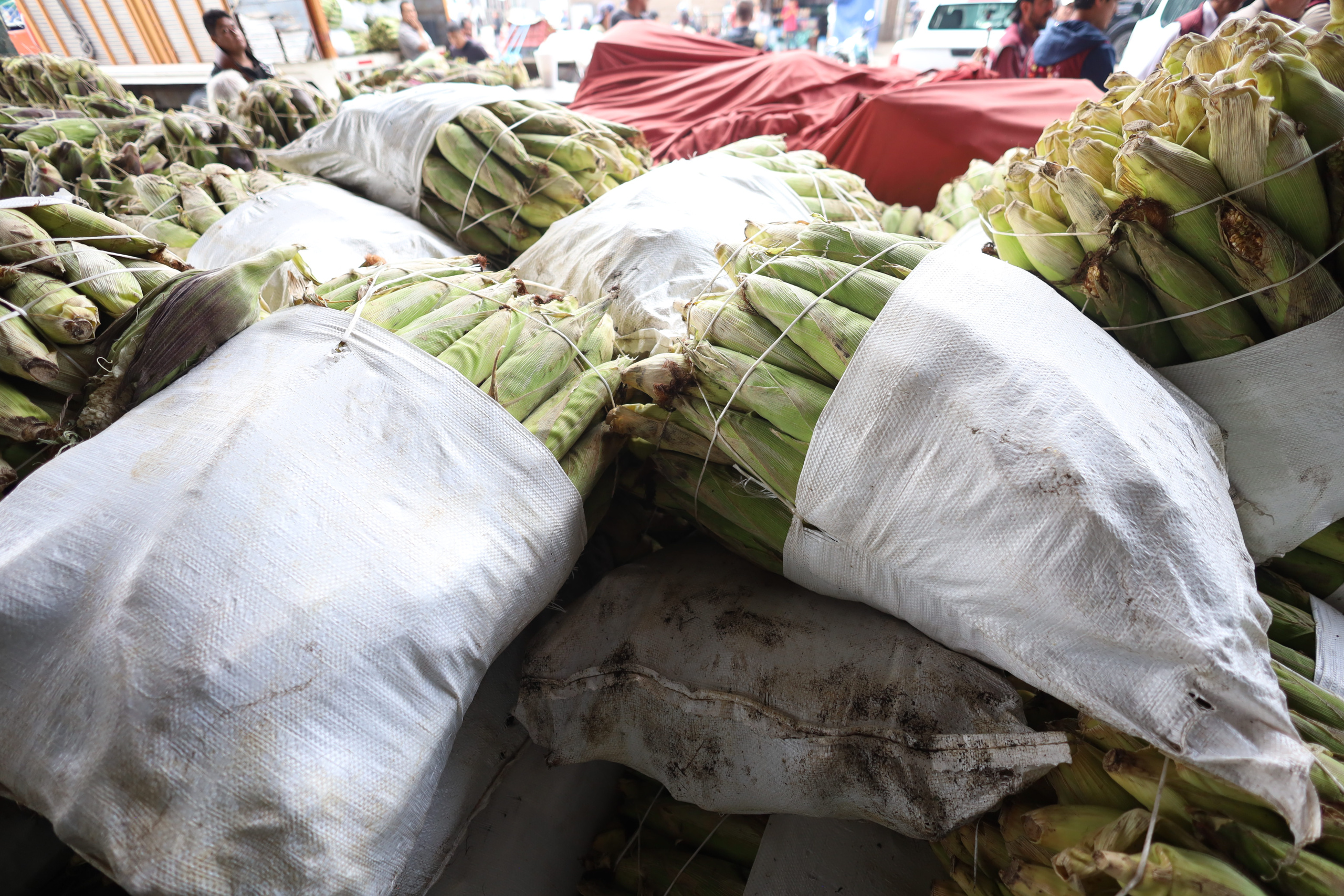
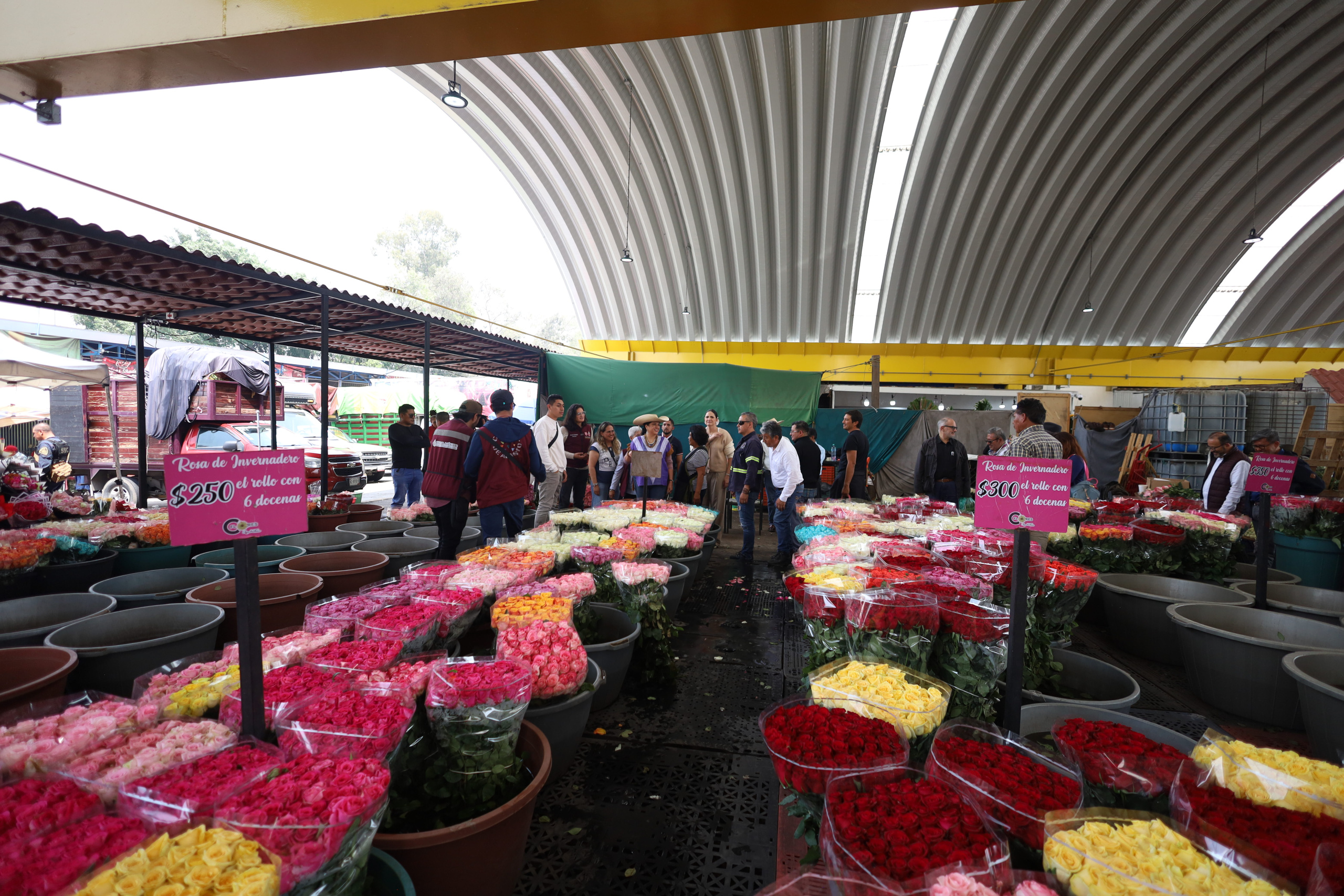
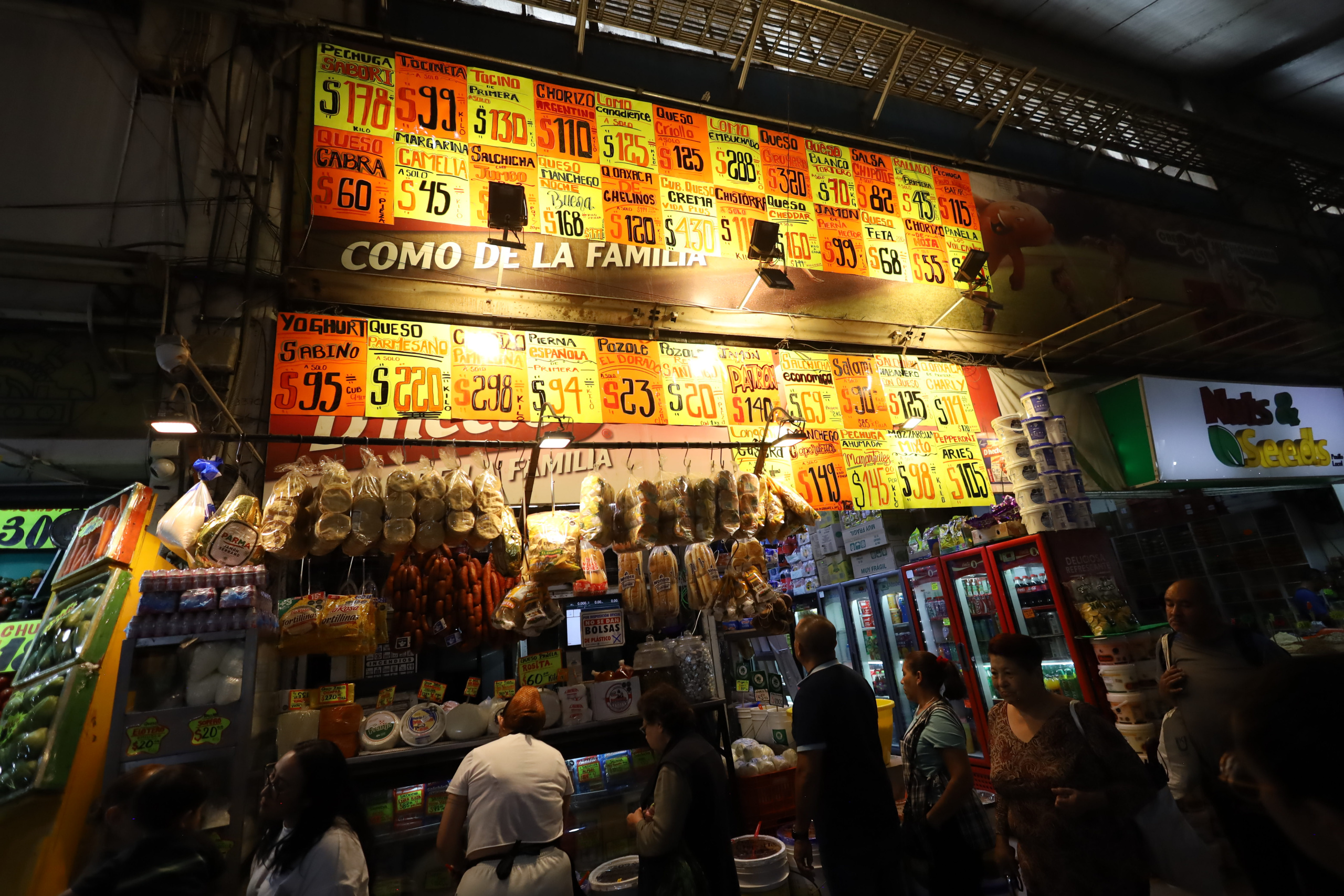
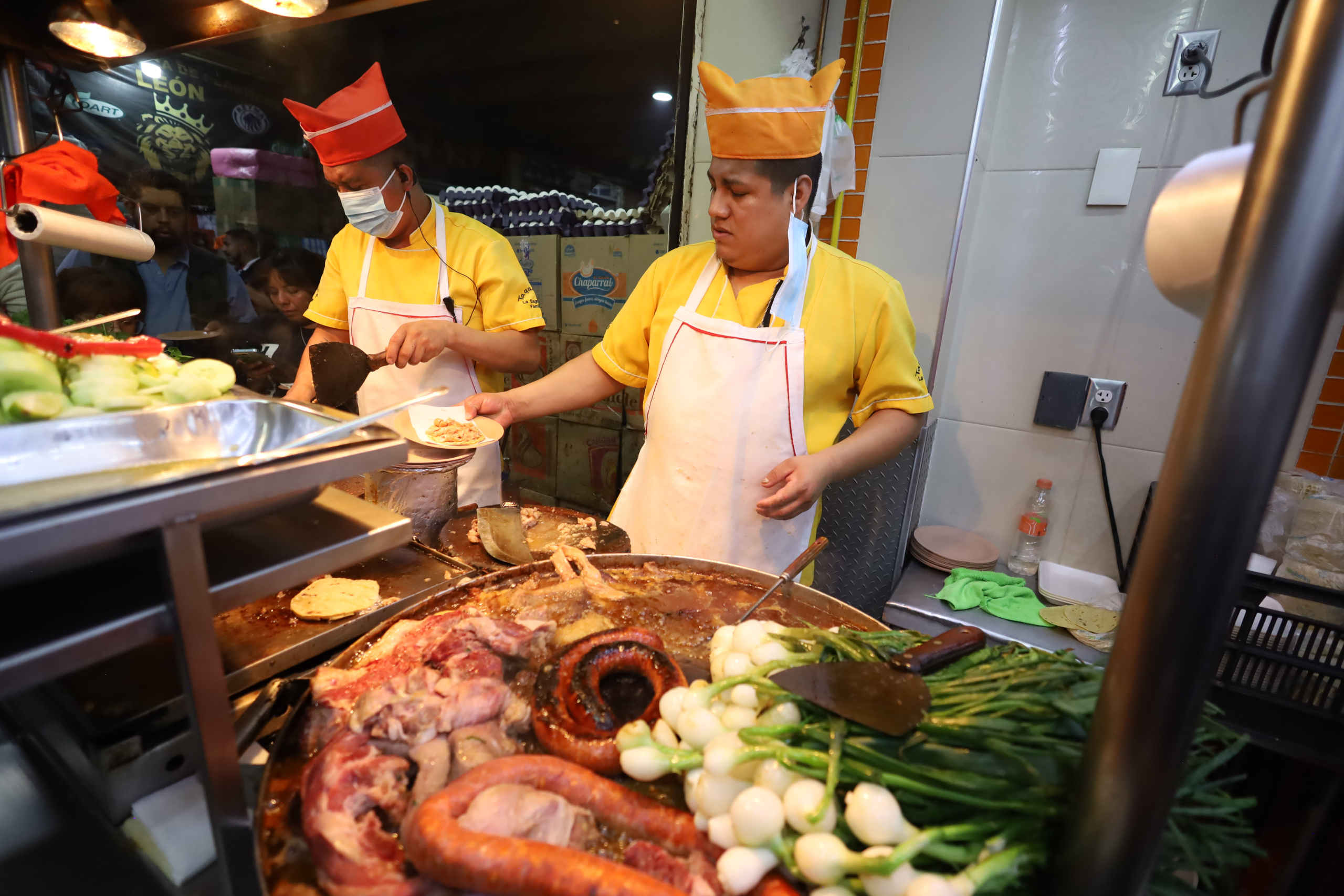
The Central de Abasto (CEDA), inaugurated in November 1982 based on a master plan by architect Abraham Zabludovsky, was created with the aim of relieving congestion at the old La Merced market. This monumental complex currently occupies 327 hectares in the Iztapalapa borough, establishing itself as the world’s largest wholesale market in terms of area and volume of operations. To walk through its immense halls is to enter a living organism that operates practically twenty-four hours a day, serving as a strategic hub for food supply throughout the Valley of Mexico and various regions of the country.
Operational figures confirm the economic magnitude of this complex; each day, around 30,000 tons of food are traded, transported by thousands of trucks. Clearly defined strategic sectors organize this vast network, from the flower and vegetable area that comes to life at dawn, to the fruit and grocery zone that dictates the prices of the basic food basket. This entire commercial machinery generates nearly 70,000 direct jobs and receives up to half a million visitors daily, supplying public markets, street markets, and restaurants of all levels.
Community dynamics, indigenous languages, and regional traditions converge in this social hub, breathing life into what is also known as the “stomach” of Mexico City. Iconic figures like the diableros fill the alleys, announcing the passage of their heavy floats with the traditional cry of “¡golpe avisa!”, an unmistakable element of the city’s soundscape. In recent years, the market has been modernized through the installation of the world’s largest rooftop solar array and programs like ITACATE, which rescues tons of food daily to distribute to vulnerable populations.
Food stalls and popular eateries within the Central Market form an essential part of daily life, serving workers, merchants, and tourists alike from the early morning hours. Exploring these aisles allows you to grasp the true culinary heart of Mexico City—the perfect mechanism that connects agricultural production with the local economy and urban life to ensure that millions of tables can be stocked each dawn.
Hours: Open 24 hours a day, Monday through Sunday. (The busiest times for supply and unloading are during the early morning and the first hours of the day.)
 https://ficeda.com.mx/
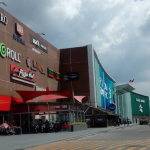
Nearest at 0.61 kms.
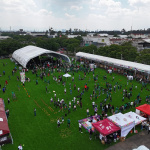
Nearest at 0.83 kms.

Nearest at 0.88 kms.