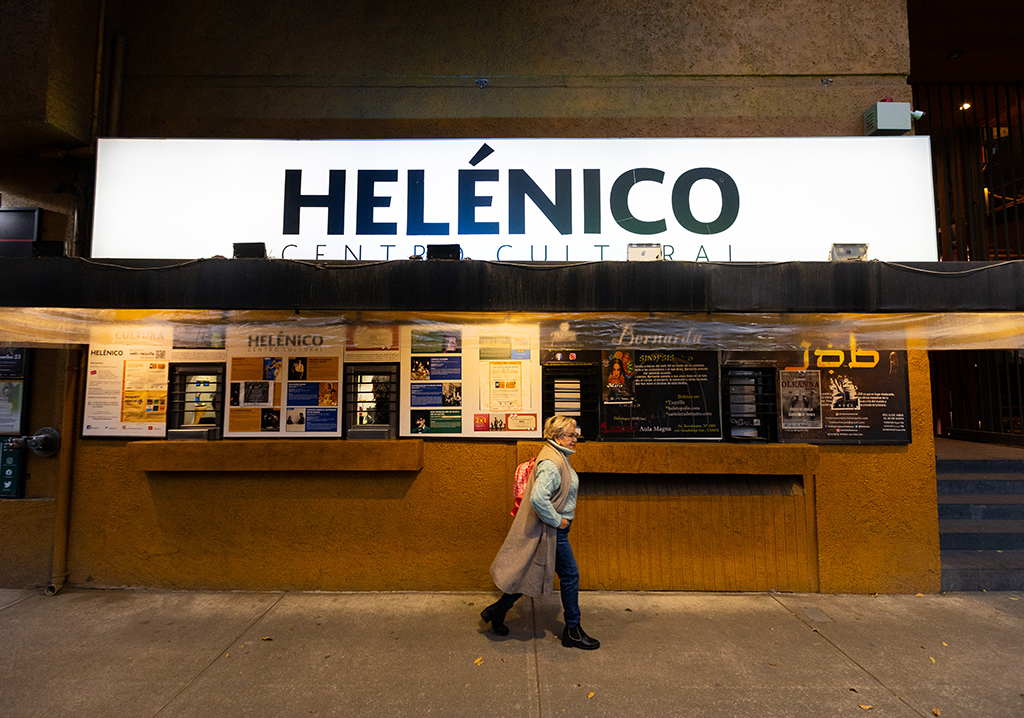
The Centro Cultural Helénico is a public institution under the Ministry of Culture of the Government of Mexico. Its origin dates back to March 15, 1990, the date on which an agreement was formalized with the Instituto Cultural Helénico A.C. to manage and program the theatrical spaces of the property. This entity is responsible for managing an active schedule that integrates performing arts proposals from diverse disciplines. The Center operates three main forums with specific technical configurations:
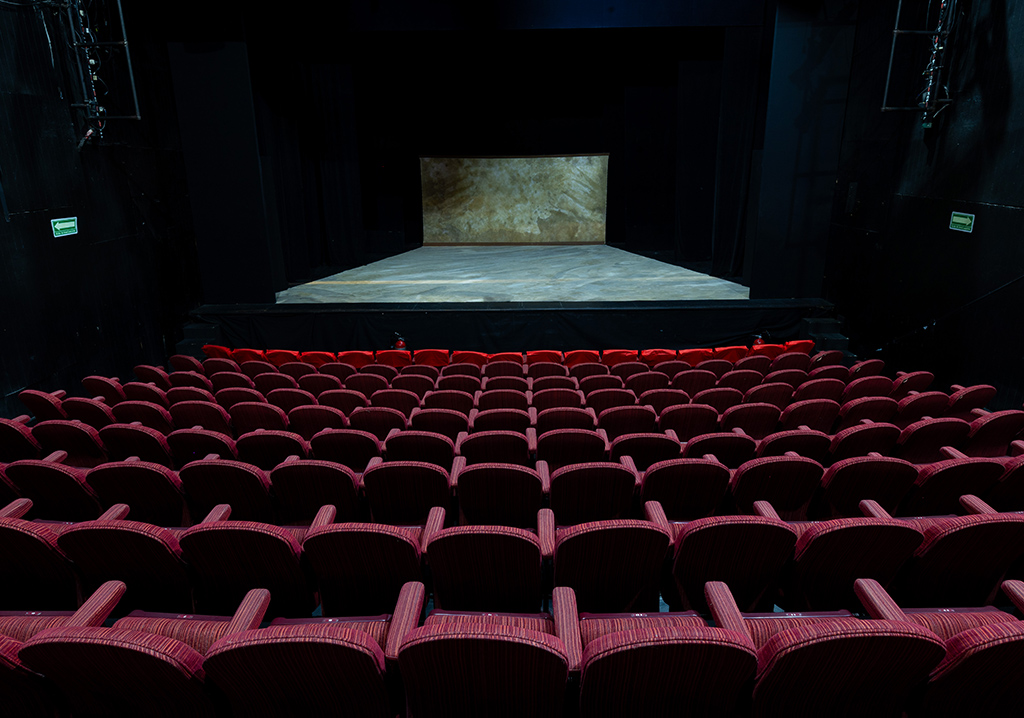
Teatro Helénico: Designed by architect Eduardo Luna Traill, it features an Italian-style stage and an official capacity of 397 seats. It is the complex’s largest-format space, ideal for productions requiring more robust technical infrastructure.
Foro La Gruta: Conceived as an experimental or black-box space, it has a capacity that fluctuates between 80 and 115 seats, depending on the setup. Historically, it has functioned as a laboratory for Mexican dramaturgy and contemporary theater.
Foro Alternativo: A space designed for intimate formats, monologues, cabaret, or small-scale projects, with a capacity ranging from 60 to 70 attendees.
For its part, the Instituto Cultural Helénico is the academic entity and owner of the site’s architectural heritage. Founded in 1973 by Pablo de Ballester, an Orthodox bishop and notable promoter of Greek and humanistic culture, the Institute is dedicated to cultural dissemination through an academic offering that includes courses, diploma programs, and extension activities.
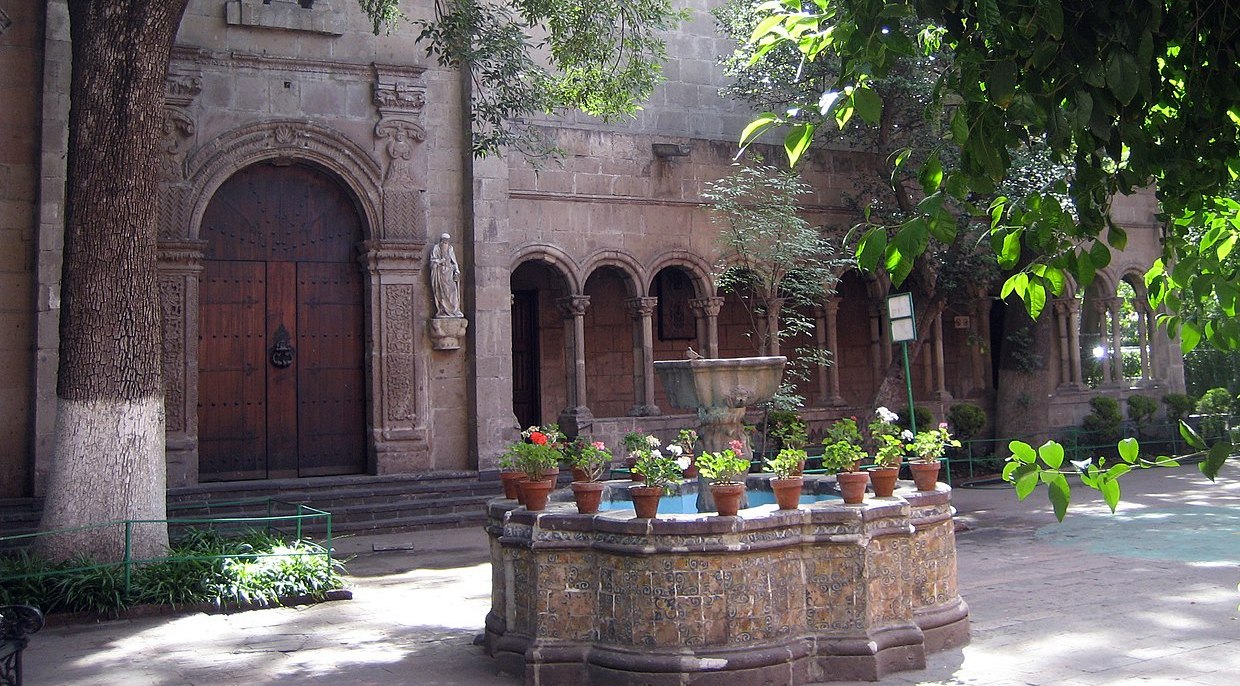
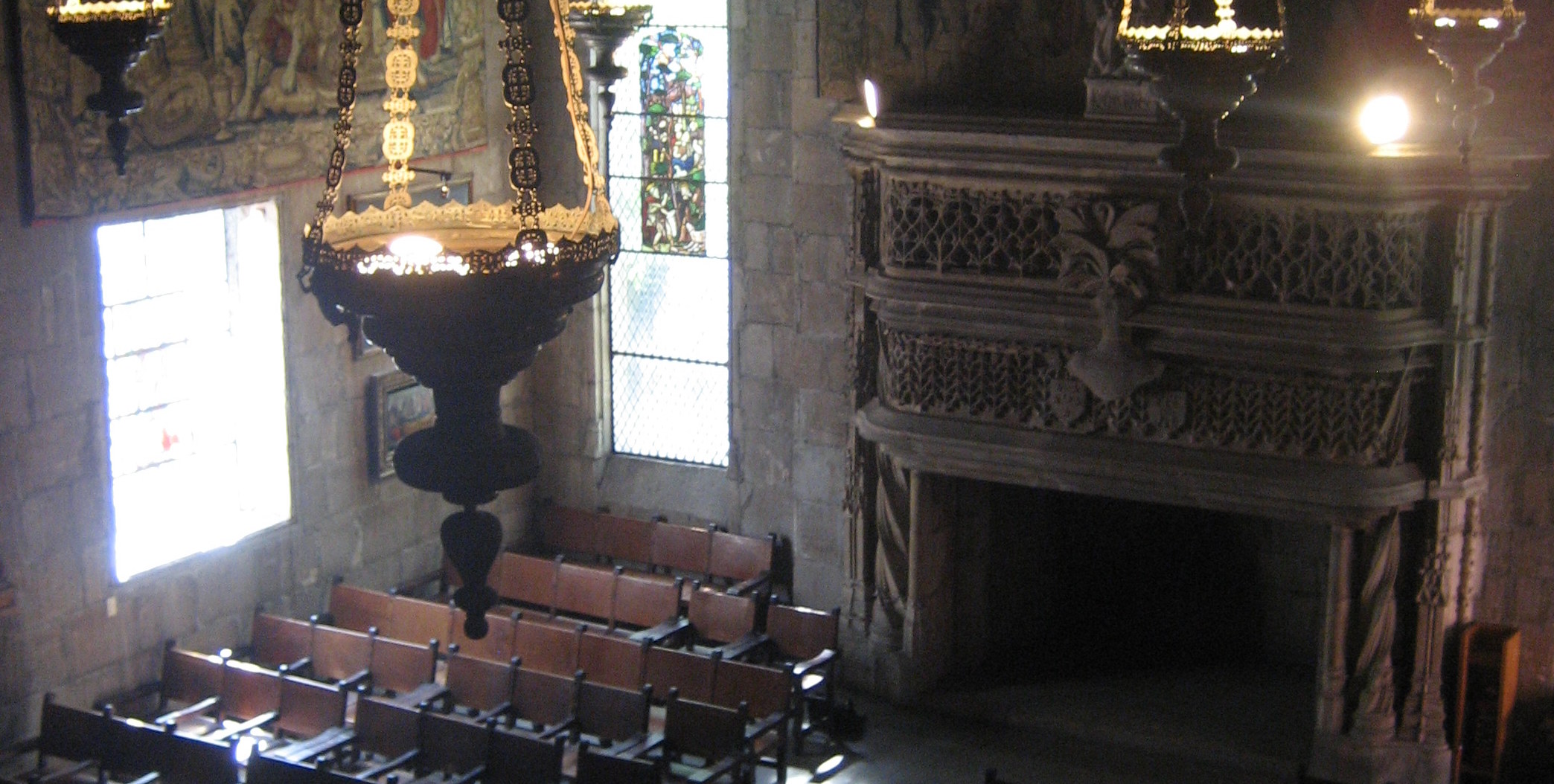
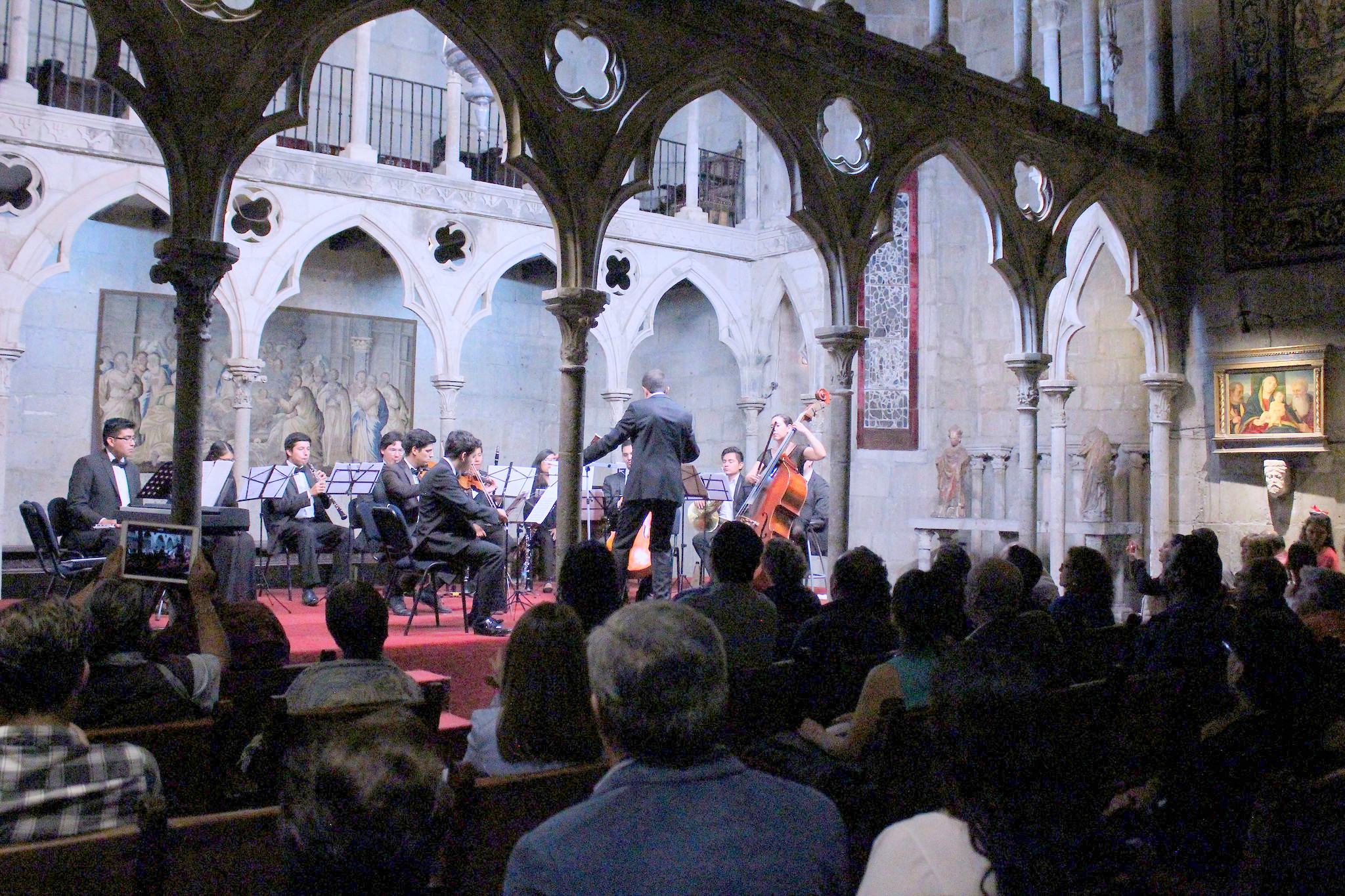
The Institute safeguards architectural pieces of great historical value, especially highlighting the Capilla Gótica (Gothic Chapel). This 14th-century structure, originally part of a monastery in Ávila, Spain, was acquired by Mexican collector Nicolás González Jáuregui after having been moved to the United States by William Randolph Hearst at the beginning of the 20th century. Subsequently, under the direction of architect Luis Ortiz Macedo, the Gothic Chapel—along with a Romanesque cloister of the same origin—was reassembled piece by piece in Mexico City, integrating artistic elements of great value, such as a 17th-century Baroque frame and works attributed to various European masters. The Chapel functions today as a monumental space of high heritage value that enriches the complex.
The visit to the complex is complemented by the presence of a branch of the El Péndulo bookstore, which shares space within the complex. This meeting point, famous for its literary curation and welcoming atmosphere, is masterfully integrated with its café, allowing attendees to spend an entire day immersed in reading, architecture, and cultural debate in an environment that invites pausing and reflection.
To arrive by public transport, the most direct option is Metrobús Line 1, getting off at the “Altavista” station. If using the Metro (Line 7), the closest station is “Barranca del Muerto,” although a walking journey of approximately 15 to 20 minutes should be considered.
Hours:
Saturdays: 11:00 to 13:00 hrs and from 15:00 to 19:00 hrs
Sundays: 11:00 to 13:00 hrs and from 15:00 to 18:00 hrs (Note: These hours are subject to change based on the current schedule and special performances).
 contacto@helenico.edu.mx
 +52 (55) 5662 1542
 https://helenico.gob.mx/

An exciting cultural center devoted to music, theater, technology, and art.

A vibrant cultural and language center in a treelined corner of Chimalistac . . .
One of the Avenida Revolución's handy shopping centers and commercial plazas . . .
A top restaurant in a historic hacienda and a stunning surrounding neighborhood . . .
A slowly climbing street makes a dynamic center for design and decor . . .