Recognized as the city with the largest number of museums on the planet, Mexico City is a cultural destination par excellence. The extensive network of art galleries invites you to discover its archaeological treasures, viceregal palaces, and avant-garde buildings that safeguard art, science, and popular traditions. Visiting the capital's museums is embarking on a journey through Mexico's identity, where each neighborhood offers a unique perspective that guarantees unforgettable experiences for researchers, families, and travelers from all over the world.
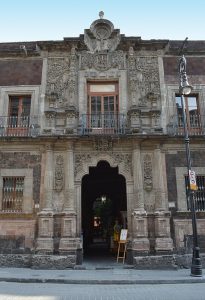
In the Historic Center and its surroundings, the heart of the metropolis beats through venues that narrate national greatness. Pillars of heritage reside here, such as the Templo Mayor Museum and the Tlatelolco Archaeological Zone, the San Ildefonso College, the National Museum of Art (MUNAL), and the Iturbide Palace. Urban and national history unfolds in the Museum of Mexico City, the National Museum of World Cultures (Casa de Moneda), or the National Museum of the Revolution. This circuit dialogues with historic and immersive venues of international caliber such as the Former Convent of Betlemitas (MIDE), the Banco de México Museum, the Estanquillo Museum, the Palace and Museum of the Inquisition (Museum of Mexican Medicine), and the Museum of the Cabildos. Popular expressions, design, and civic peculiarities find their place in the Mexican Museum of Design (MUMEDI), the Living Museum of Muralism, the Museum of Caricature - Old College of Christ, the Museum of Pulque and Pulquerías, the Chocolate Museum, the Shoe Museum, the Antique Mexican Toy Museum (MUJAM), the Museum of Sugar Art Mexico, and the Historical Archive of Photography (Casa de las Ajaracas).
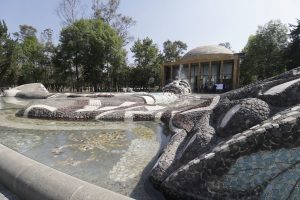
Towards the west, the museum scale acquires monumental proportions in the Chapultepec Forest and its Modern Neighborhoods. Guarded by the National Museum of Anthropology (MNA) and the National History Museum - Chapultepec Castle, this large green lung integrates the Museum of Modern Art (MAM), the Tamayo Museum - Contemporary Art, the Caracol Museum, the Papalote Children's Museum, and the Natural History Museum of Mexico City. Added to these are recovered and specialized spaces such as the Cárcamo de Dolores Museum, the Cavalry Museum, the Siqueiros Public Art Room, and the Los Pinos Cultural Complex, which houses the Cencalli Museum or the Lázaro Cárdenas Presidential House Museum. Sophistication dominates Polanco with the imposing architecture of the Soumaya Museum and the Jumex Collection Museum, alongside the Inbursa Aquarium and the National Energy and Technology Museum (MUNET). For their part, neighborhoods like Roma, Juárez, and San Rafael deploy a vocation focused on design, memory, and innovation through the Museum of the Object of the Object (MODO), the Guillermo Tovar de Teresa House, the Wax Museum of Mexico City, the Memory and Tolerance Museum, the El Eco Experimental Museum, the Chopo University Museum Cultural Center (Crystal Palace), and the House of Indomitable Memory Museum.
The south and southwest of the capital reveal a facet where artistic genius and viceregal splendor dialogue with the volcanic rock of the Pedregal. Coyoacán safeguards the most famous intellectual refuges of the city, from the Frida Kahlo Museum (Blue House), the Casa Kahlo Museum (Red House), and the Leon Trotsky House Museum, to the imposing stone architecture of the Anahuacalli Museum, the National Museum of Popular Cultures, and the National Museum of Interventions. San Ángel and its surroundings shine with the Carrillo Gil Art Museum (MACG), the Diego Rivera & Frida Kahlo House Studio Museum, the historic Museum, Temple and Ex-convent of Nuestra Señora del Carmen, and the Casa del Risco Cultural Center. The scientific and university tradition is imposed with the University Museum of Contemporary Art (MUAC), the National Biodiversity Pavilion, Universum Science Museum, the UNAM Geophysics Museum, the Geology and Paleontology Museum, the National Herbarium of Mexico (MEXU), and the IMSS Medicinal Herbarium. Modern mastery is admired in the Luis Barragán House Studio and the Max Cetto House Studio, while Tlalpan and Xochimilco guard the Tlalpan History Museum, the Museum of Time, the Tláhuac Regional Museum, the Xochimilco Archaeological Museum, and the invaluable collection of the Dolores Olmedo Museum.
Scientific, community, and religious preservation define the poles of the North and East of the capital. In Gustavo A. Madero and Azcapotzalco, the Museum of the Basilica of Guadalupe and the Mariana Plaza and Guadalupano Museum stand out, along with neighborhood dissemination and memory venues such as the Tezozómoc Interactive Museum, the Azcapotzalco Historical Archive, and the Azcapotzalco Regional Museum. Towards Iztapalapa and Tláhuac, social urbanism has promoted the creation of transformative spaces like the Yancuic Museum and the Museum of Cultures, Passion for Iztapalapa, which coexist harmoniously with sites of deep pre-Columbian and historical roots such as the Fuego Nuevo Museum, the Cabeza de Juárez Museum, the Cuitláhuac Regional Community Museum, the Tepexpan Museum, and the Tlapacoya Archaeological Zone and Cerro del Elefante.
We invite you to explore each of these extraordinary venues below and put together your itinerary in the great city of museums.



 Plaza de la República s/n, Col. Tabacalera.
  Museums

 Centro Histórico (Imperdibles)