All Photos: Tania Victoria/ Secretaría de Cultura de la Ciudad de México
Attribution 2.0 Generic (CC BY 2.0)
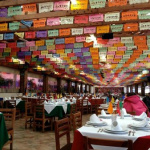
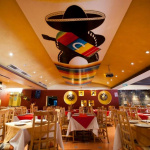
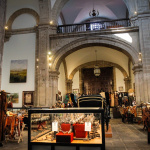
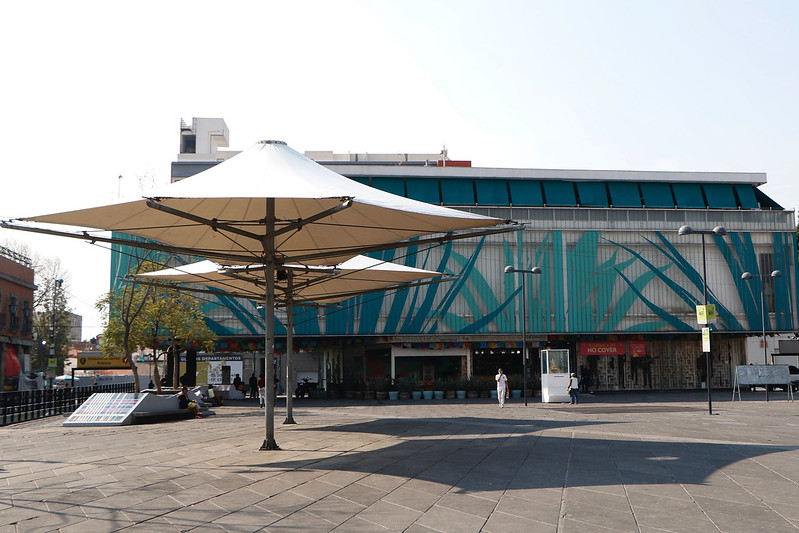
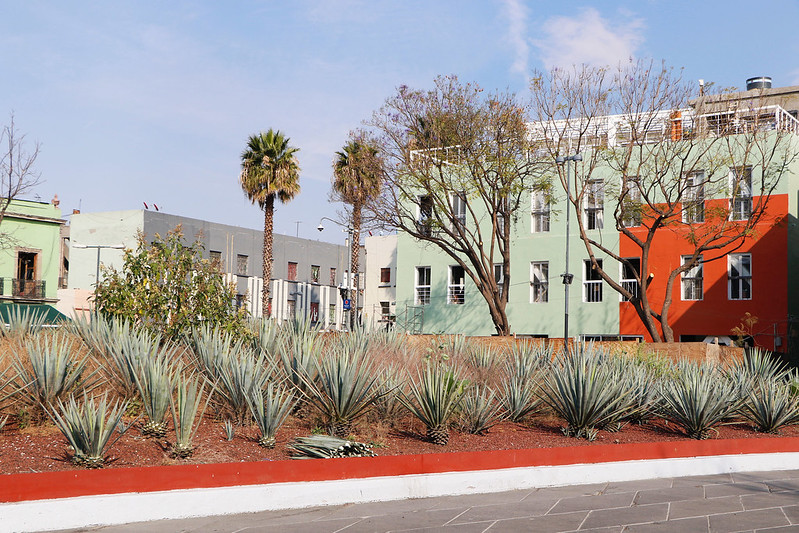
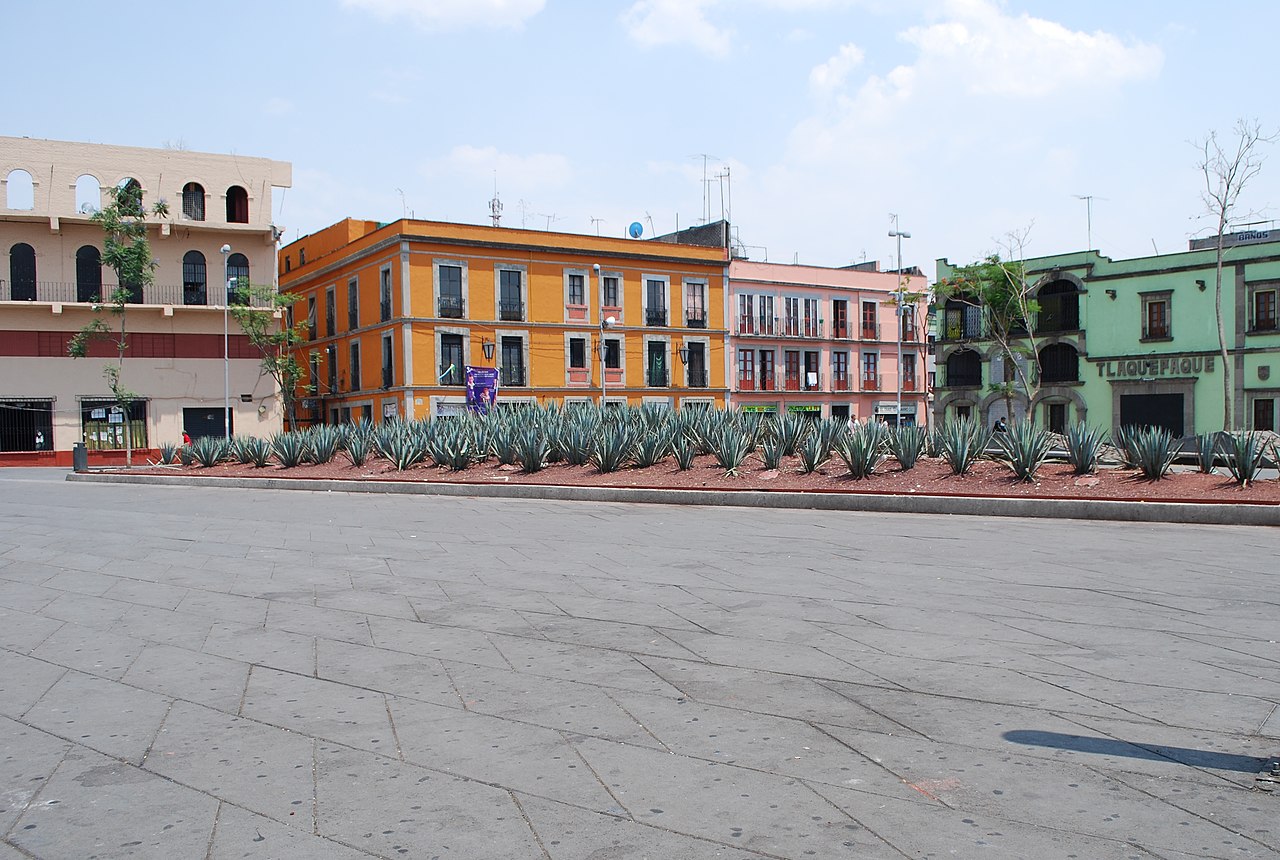
Headquarters of traditional music in the capital. Its esplanade is bordered by major roads, craft shops, the Museum of Tequila and Mezcal, and a corridor of historic cantinas.
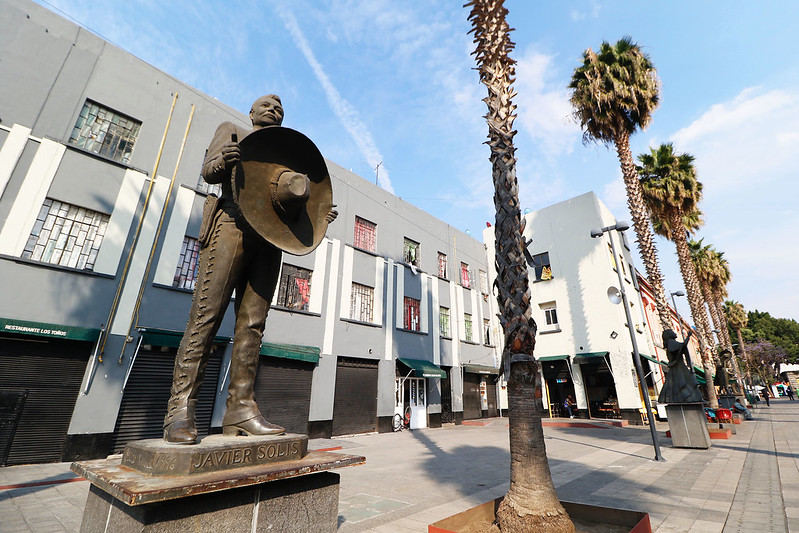
Located at the intersection of the Historic Center with the Guerrero, La Lagunilla, and Tepito neighborhoods, the plaza’s architecture includes a central kiosk and bronze statues dedicated to figures of Mexican composition, functioning as a cobblestone meeting point.
The origin of its musical vocation traces back to the 1920s. Previously known as Plazuela de Jardín and Plaza de Baratillo, it received its name in 1921 in honor of Giuseppe “Peppino” Garibaldi.
Around 1923, the opening of Salón Tenampa and the introduction of the “Mariachi Coculense” established the tradition of Jalisco music in the area.
Between the thirties and fifties, the perimeter sustained high activity with pavilions and dance halls, maintaining part of that old-school structure in surrounding streets like República de Honduras.
The musical dynamic of the esplanade operates under a free-market format.
It is common to observe independent musicians and groups of mariachi, norteño, huapango, and son jarocho gathered, offering their services directly to passersby.
Visitors negotiate the cost per song or per block of time, allowing them to put together standing serenades in the middle of the public street.
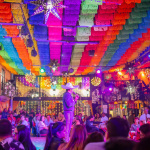
The acoustic environment turns out to be an amalgam of clashing sounds;
with no defined stages, the percussions, trumpets, and accordions of different groups play simultaneously a few meters away from each other, mixing with the noise of Eje Central.
The audience is completely heterogeneous, and its influx reaches its peak during the early hours of the weekend.
The popular tradition of the city dictates that arrival at the plaza usually occurs in the early hours of a new day, often as an endpoint to vent romantic disappointments or continue the party by paying a fee to the musicians.
The esplanade brings together international tourists, families, and groups of friends who arrive after the nightclubs close.
The consumption scheme is governed by the offering of the perimeter establishments.
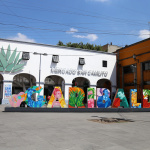
On the north side is the San Camilito Market, one of the few public markets in the city with 24-hour service, specializing in Jalisco food and broths.
At the same time, passersby purchase antojitos, roasted corn (elotes), and tacos at the semi-fixed stalls on the edges of the plaza.
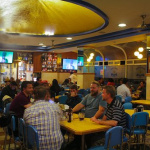
The consumption of alcoholic beverages on public streets is subject to civic regulations, which is why the consumption of spirits formally occurs inside the adjacent cantinas and halls that keep their doors open.
 The Capital Bus tour bus stop is one the edge of Eje Central and continues north from here to the Basilica de Guadalupe. It’s part of the shortest Temples Circuit that departs from the Zócalo.
 https://www.facebook.com/plazaGaribaldiOfficial
Nearest at 0.04 kms.

Nearest at 0.06 kms.

Nearest at 0.06 kms.